



Burberry plans to transform its flagship at 121 Regent Street, London, into Burberry House, a store combining collections, archival exhibitions, cultural experiences and hospitality, with a grand opening planned for autumn 2027.
Restoration will take place in phases, and the store will continue trading throughout the works.
The London flagship will be the first to introduce the Regent Concept, a new store design language developed with interior designer Peter Mikic. Burberry will then roll out the concept over time across its worldwide stores. Mikic said the approach would give stores a distinctive look while allowing each to reflect the architecture of its site and its local character.
Chief Executive Officer Joshua Schulman said: “We are delighted to be restoring and reimagining our iconic Regent Street flagship as Burberry House. An immersive destination, it will bring together experiential, archival and hospitality elements to create a place of discovery and inspiration.”
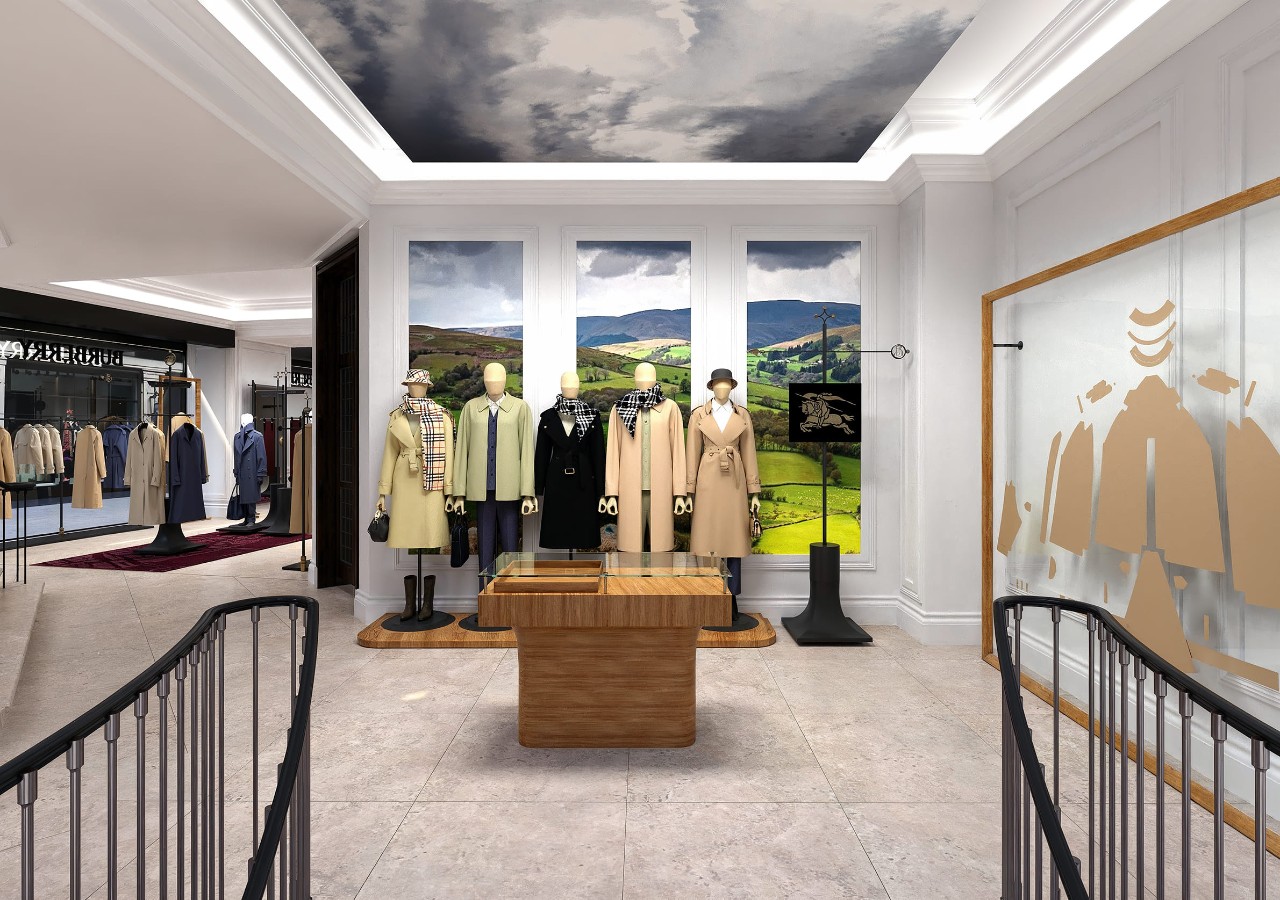
Trench service and private client rooms
The interiors take the British home as their starting point, using individual rooms, seating areas and furnishings to create a more intimate retail setting.
“British interiors have a wonderful sense of individuality. They bring together different styles, periods, fabrics and colors, combining a sense of comfort with something unexpected,” said Mikic. “That’s something we wanted to capture within the Regent Concept, a balance between familiarity and discovery.”
The planned spaces include:
- Trench Arcade: a dedicated trench-coat destination combining heritage styles with seasonal interpretations, with a bespoke service to preserve and restore coats alongside personalisation.
- 1856 Gallery: a mezzanine gallery hosting rotating exhibitions of archival designs and ephemera, exploring innovations such as gabardine and the trench coat.
- Drawing Room: a more private setting for client appointments, personalised products and specialist aftercare.
- Knight’s Tale: a children’s department themed around medieval castles and courts, with bespoke solid-wood furniture and a large Thomas Bear wearing chunky crochet-knit armour.
- Burberry’s Tea & Coffee: a hospitality offer serving light meals, with contemporary takes on traditional British dishes.
The store already offers Trench Bespoke, Burberry’s service for choosing gabardine colours, linings, buttons and embroidery, and adjusting sleeve and back length across five trench styles.
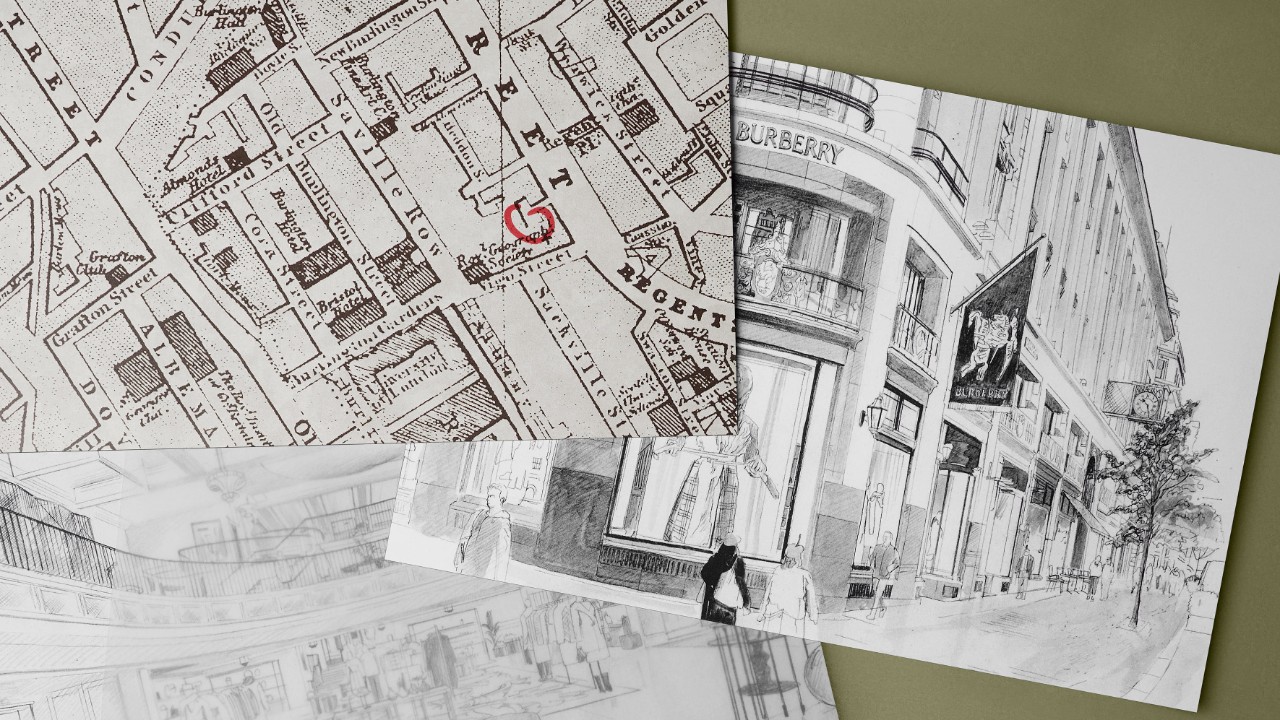
The foyer’s round entrance dome will be restored to evoke its golden look in the 1920s, when the building was a cinema. Earthy shades bring to mind the English countryside and the trench’s beige, while the Burberry check’s red “raker” line appears in accents. Timber chevron flooring echoes gabardine’s twill weave, while bespoke rugs offer reinterpretations of archive scarf prints.
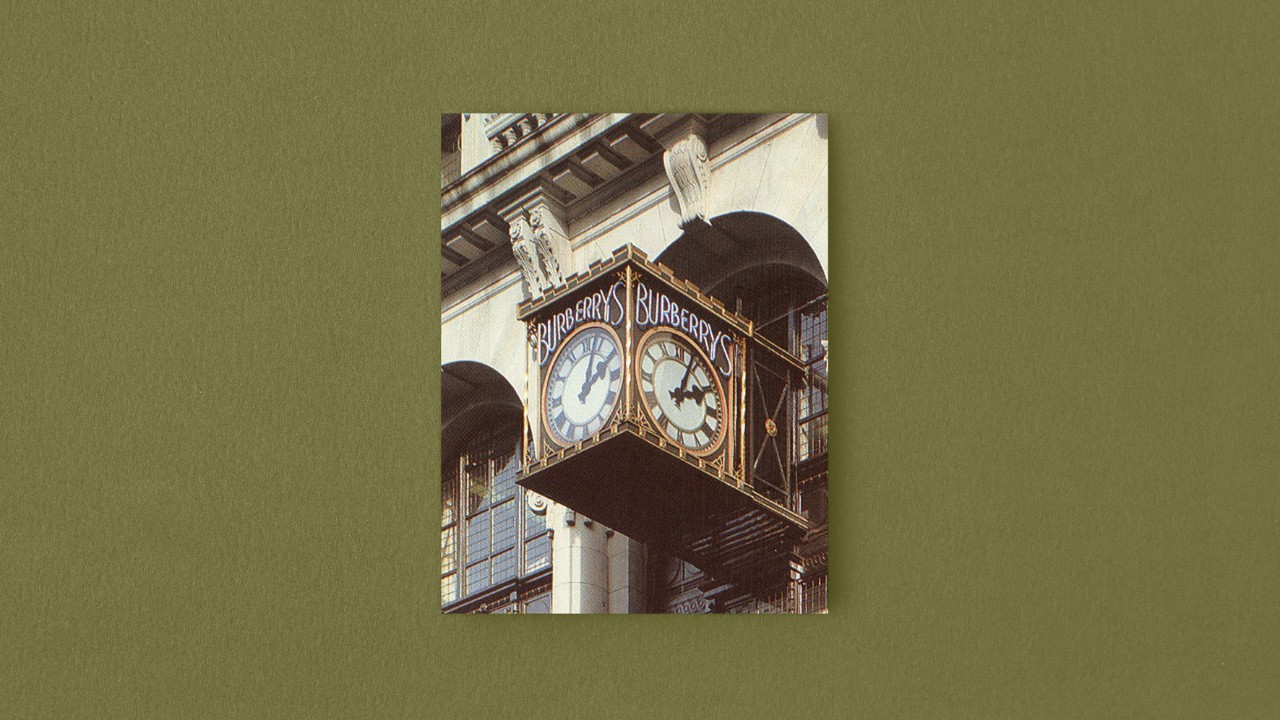
The restored “Burberrys” clock, made from cast iron, opal glass and gold leaf, will also move to Regent Street. It stood outside Burberry’s Haymarket headquarters and store for decades and has most recently been displayed in the lobby of the company’s Horseferry House headquarters in Westminster.
“As we bring the timepiece to its new home on Regent Street, we look forward to welcoming people to meet once again under the clock, discover Burberry House and enjoy a truly special experience,” said Schulman.
Flagship plans follow return to profit
The Grade II-listed building was originally designed in the early 19th century for the Prince Regent and has previously housed an art gallery, a cinema and a theatre. Burberry moved its London flagship there in 2012 after almost a century on Haymarket.
The project follows the launch of The Burberry Trench: Crafting an Icon at V&A South Kensington, which runs until 3 January 2027 as part of a multi-year partnership that will lead to The Burberry Gallery opening at the museum in autumn 2028.
The iconic trench was also the focus of Burberry’s latest fashion show, with the spring/summer 2027 catwalk seeing Creative Director Daniel Lee play around with colours, materials and embellishments, giving the originally utilitarian garment a fresh, modern and youthful look.

Schulman’s Burberry Forward strategy prioritises leading with outerwear and raising store productivity through a greater emphasis on core categories. The company returned to profit in the year to 28 March 2026, with adjusted operating profit of £160 million, up from £26 million, on revenue of £2.42 billion.
In the 13 weeks to 27 June, retail revenue totalled £455 million and comparable retail sales rose 5%. Outerwear sales grew by double digits, with heritage rainwear and lightweight jackets driving demand.
The news also also follows Frasers taking an interest in the British luxury company, which it exercised through put options. Frasers Group’s financial exposure to Burberry stood at the equivalent of 6.05% of voting rights as of 16 October, down from 7.42% on 8 October, according to a regulatory filing published on 19 October.
The latest position represents 22 million potential voting rights through two sold put options, covering 12 million and 10 million shares, respectively, both expiring in March 2027. The reduction follows a series of increases: Frasers’ exposure rose from 15 million potential voting rights disclosed in July to 23 million, or 6.32%, before reaching 27 million, or 7.42%, earlier in October. Frasers has no voting rights attached directly to Burberry shares.