


Here are some of this week’s news and features highlights handpicked by TheIndustry.fashion team.
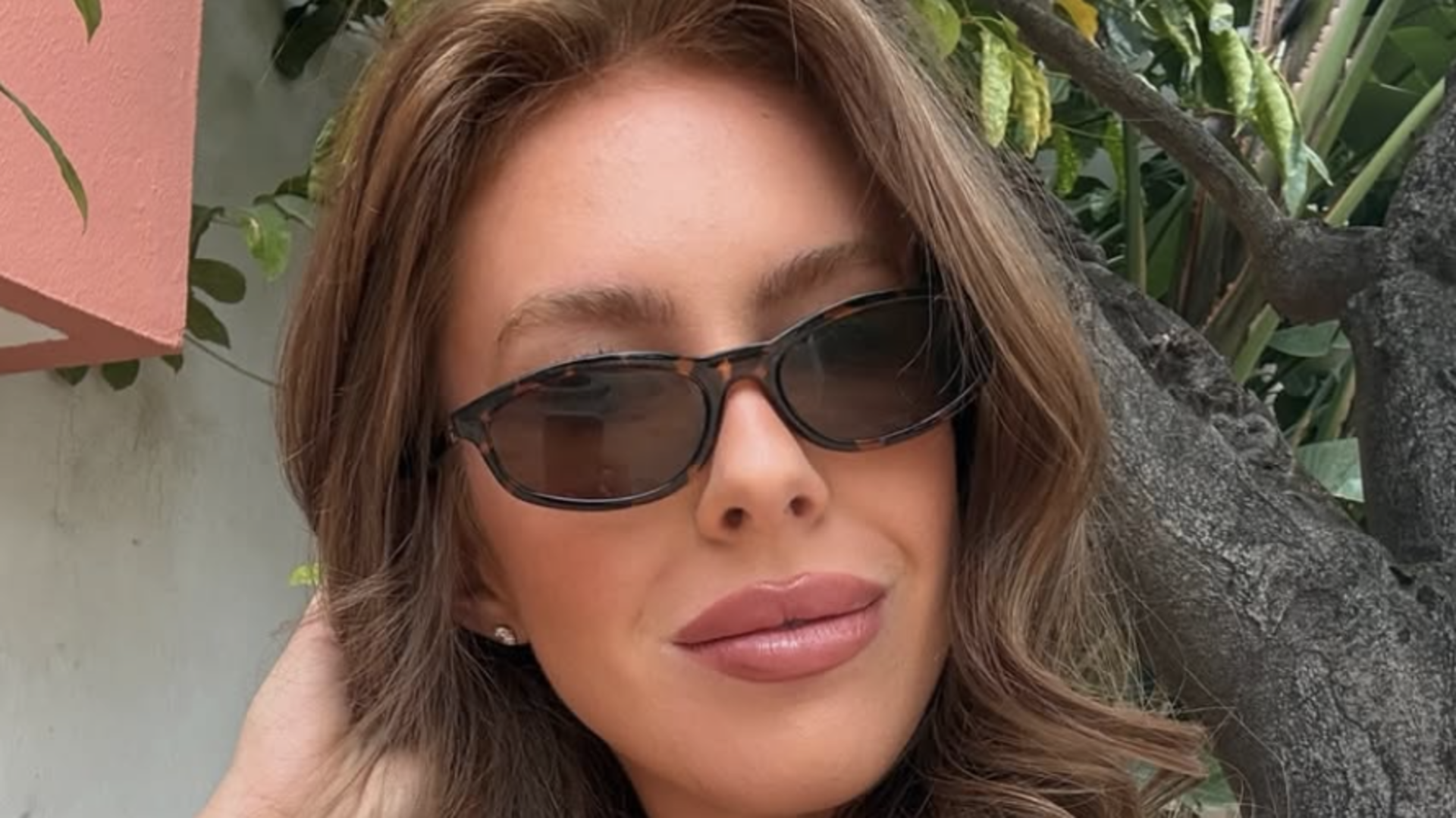
Influencer ordered to pay £213,000 over side-hustle selling counterfeit luxury fashion
This week saw a small victory for brands that have been trying to stop the increasing number of counterfeit fashion items that are being sold on the market.
Yesterday a social media influencer called Georgia Aldridge was ordered by the UK High Court to pay £213,000 to luxury fashion businesses including Fendi and Loewe, over her side hustle selling counterfeit goods through a dropshipping operation.
This is indicative of a much larger issue. According to reporting from Sky News earlier this year, the UK counterfeit luxury and fashion market is massive and costs the UK economy an estimated £9 billion annually.
Interestingly, the judge in the case calculated the damages to be paid by Aldridge to the brands by differentiating the quality of fashion dupes that were sold. He awarded £200,000 for profits lost on an estimated 713 sales that otherwise could have been made with the genuine luxury brand – in this case, Fendi, Louis Vuitton and Christian Dior.
A further 4,039 transactions involved lower-quality counterfeit products that the court found had not displaced genuine purchases. The brands were awarded another £13,000 for licensing income associated with those sales.
While this particular case may represent only a small part of the wider counterfeit market, it suggests that the UK courts are paying closer attention to the issue.
It’s also interesting to see a distinction being drawn between “super fakes”, or high-quality imitations, and lower-quality counterfeit products. This reflects a growing recognition that not all counterfeits are viewed or treated in the same way, and different financial damages can be awarded to brands.
Camilla Rydzek, Senior News and Features Writer.
Price beats ethics at the checkout for majority of Brits
Some interesting data came out of a new report from supply chain intelligence firm Zero100 this week, with over two-thirds (68%) of Brits saying ethical production matters to them.
However, when it came to their last actual purchase, the single most common behaviour was ignoring ethics altogether and buying based on price or quality alone.
What’s more, the price ceiling that shoppers are willing to stretch to in order to choose a more sustainable or ethical option when buying across clothing, toiletries, household goods and food, is just 8% more (or 80p for every £10 spent).
Looking at the clothing category on its own, just 12% of respondents – from a survey of 2,000 UK adults – chose a more ethical option, regardless of cost.
It makes you wonder if it’s going to be much slower burner to get the general public to switch to more ethical choices than many eco experts think.
The data also points to consumers being under genuine financial pressure rather than simply not caring. Jenna Fink, VP of Research & Advisory at Zero100, said: “The data tells a more human story than the headline numbers suggest.
“Many British shoppers are actively choosing between their values and their budgets every time they shop, and the budget is winning, often because the gap between the ethical option and the affordable one remains too wide.”
What was also intriguing was, while 36% of UK consumers say that knowing more about a brand’s supply chain would make them more likely to trust its ethical claims, nearly half (48%) have never actually checked for that information before making a purchase.
More work to be done!
Tom Bottomley, Contributor.
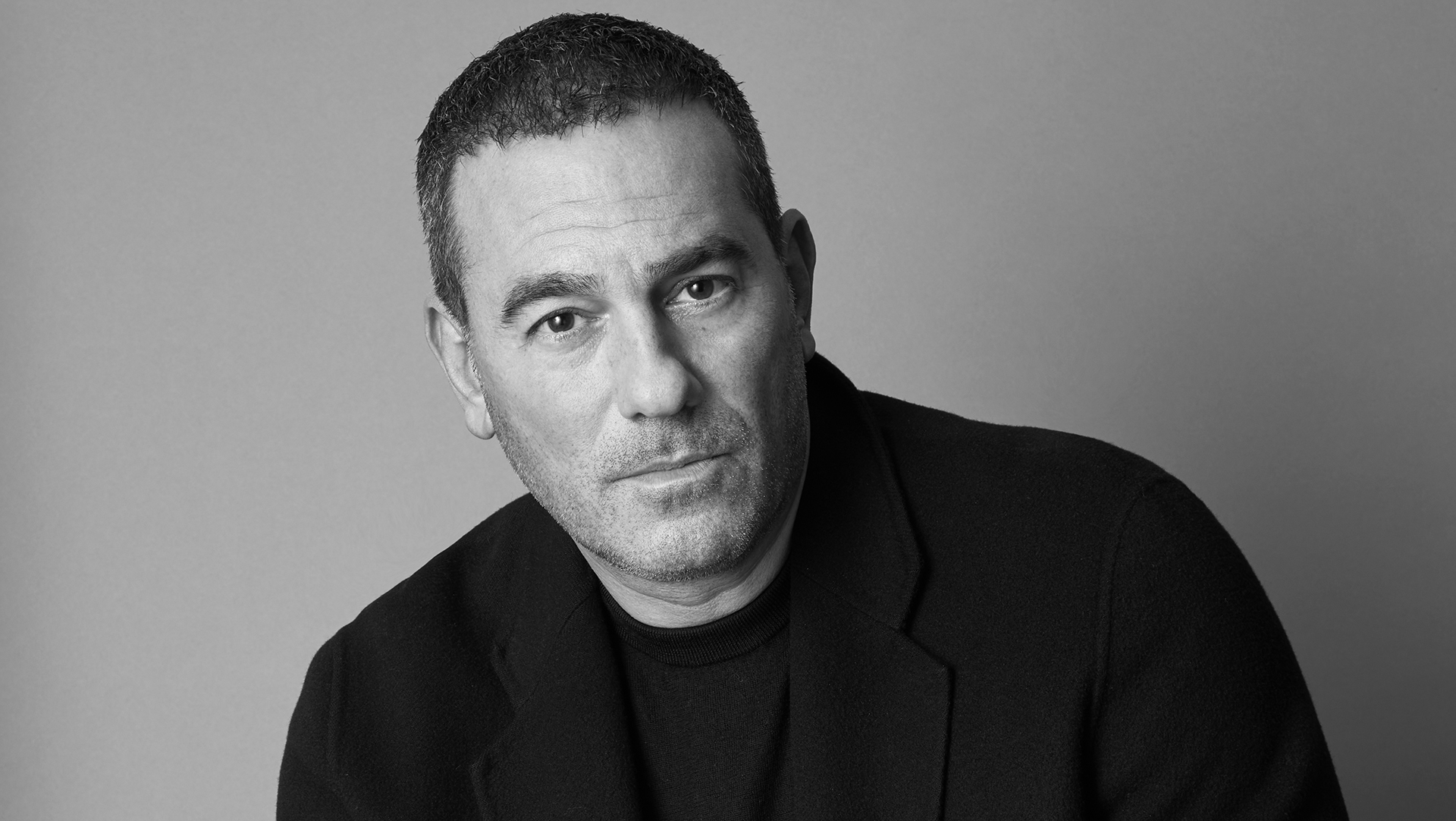
The Interview: FitFlop CEO Gianni Georgiades on science, stores and scaling a trailblazing brand
Gianni Georgiades knows shoes. His impressive CV takes in senior roles at companies such as Lacoste Footwear, Deckers and Coach. For the past five years he has been leading the growth and strategy of trailblazing wellness-led footwear brand FitFlop.
The FitFlop brand was established 20 years ago by visionary entrepreneur Maria Kilgore (known for beauty brands including Bliss Spa and Beauty Pie) who identified the wellness trend a good decade before it hit the mainstream.
Best known for its wedge flip flops that tone the legs while you walk, FitFlop has been transformed in recent years with a range that includes shoes for every occasion from trainers to ballet pumps, boots slippers, sandals and, yes, still lots of flip flops. While the brand now has more fashionable styles, Georgiades does not consider it to be a fashion brand and its core purpose of comfort and wellness (driven by innovative technology) remains at its heart.
Still privately owned, the brand is also opening experiential stores (to enable it to show the breadth of its range and to tell its story) and is expanding steadily on a global basis. In this heat with our feet expanding steadily on a daily basis, the thought of slipping into a FitFlop is a welcoming one. Millions around the world think so too, this is a brand on the up and you read our exclusive interview with its CEO here.
Lauretta Roberts, Co-founder, CEO and Editor-in-Chief.

CMA clears eBay’s $1.2bn acquisition of Depop
I enjoyed writing this story because I am an avid consumer of second-hand clothing. What started as a niche way to shop more sustainably has evolved into a major part of the fashion industry, attracting significant investment from some of the world’s largest retail platforms.
Depop has built a strong following among younger consumers by creating a marketplace that feels as much like a social platform as a shopping destination. That is what makes eBay’s acquisition so interesting. While eBay has long been a major player in second-hand retail, Depop offers direct access to the Gen Z and Millennial shoppers who have helped drive the growth of resale fashion.
It will be interesting to see what the acquisition means for Depop’s future. The company has said the platform will retain its brand and identity, but the deal reflects the growing value of resale as consumers continue to embrace second-hand shopping for both affordability and sustainability.
Catherine Rowe-Kosary, Junior Writer.
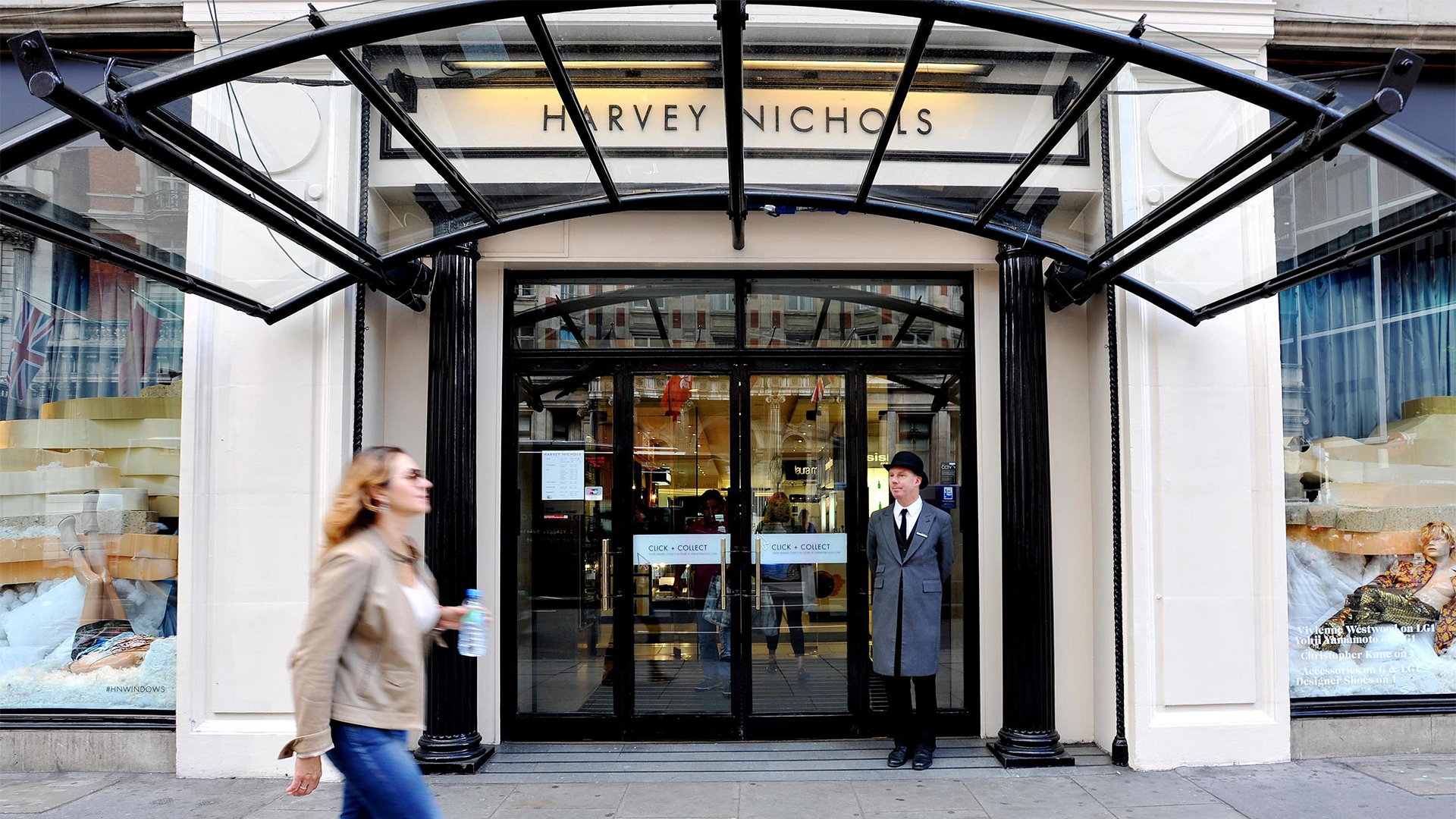
Frasers Group enters Harvey Nichols group sale despite supplier concerns
You can never rule them out, can you? Fresh from making a nuisance of themselves at Hugo Boss, whose board recently recommended a rejection of its takeover bid, Frasers has reportedly written to Harvey Nichols with a request to allowed into its bidding race.
Hong Kong billionaire Sir Dickson Poon is inviting bids for the department stores group, which own the landmark London store as well as outposts across the UK and Ireland and in the Middle East.
Another British high street stalwart, NEXT, is also in the frame. It had previously been reported that Frasers had only been interested in its regional stores, which include UK and Ireland stores in Manchester, Leeds, Dublin, Edinburgh and Bristol, along with a beauty store in Liverpool. Interest there was said to have cooled and Harvey Nichols has reportedly been telling suppliers Frasers. was not part of the sale process, but that has all changed.
To ensure a fair process, any bid from Frasers will have to be considered. As with Hugo Boss, whether it will be accepted is another matter. This is about to get very interesting.
Lauretta Roberts, Co-founder, CEO & Editor-in-Chief.