


Here are some of this week’s news and features highlights handpicked by TheIndustry.fashion team.
Primark turns SKIMS’ London launch into a marketing opportunity
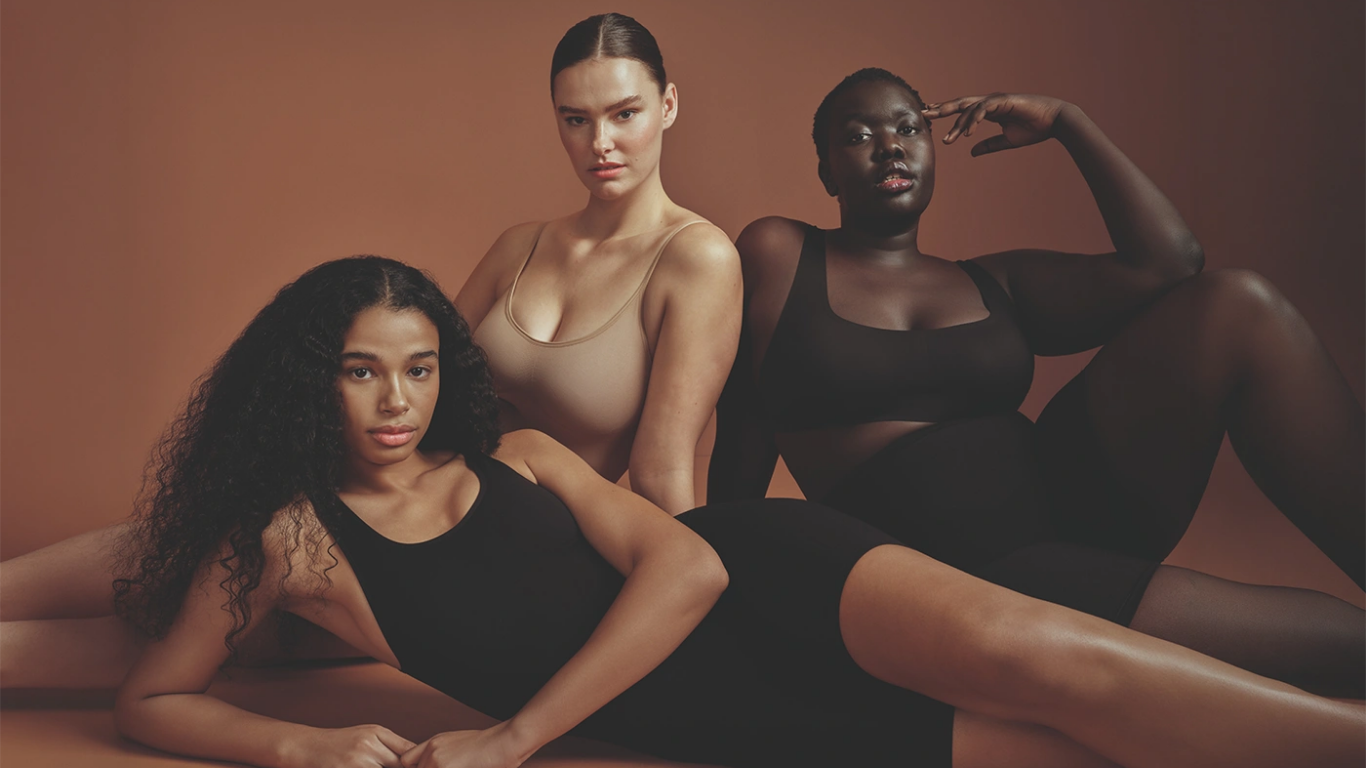
This week I wrote about one of the cheekiest marketing stunts I have seen in quite a long time. Just as SKIMS opened its Regent Street flagship store, Primark placed a mobile billboard just in front to promote its £9 shaping bodysuit as a lower-priced alternative to Kim Kardashian’s widely popular shapewear offering.
The slogan on the van showed models wearing the brand’s own version of the bodysuit, with the slogan reading: “These Kim’s prefer Primark £9 shaping bodysuit”. In direct comparison, SKIMS Seamless Sculpt Thong Bodysuit, available in the Regent Street store, currently retails at £84.
The move follows Primark’s announcement last week that it had lowered prices across hundreds of products as part of a new “Iconic Value” initiative aimed at reinforcing its position as a destination for affordable fashion. While the move strengthens the retailer’s value credentials, the reset also put it into closer price competition with online giant Shein, whose cost advantage is coming under regulatory pressure, argued our Editor-in-Chief Lauretta Roberts this week.
Camilla Rydzek, Senior News and Features Writer.
How I started in fashion: Nadine Merabi, founder of MERABI
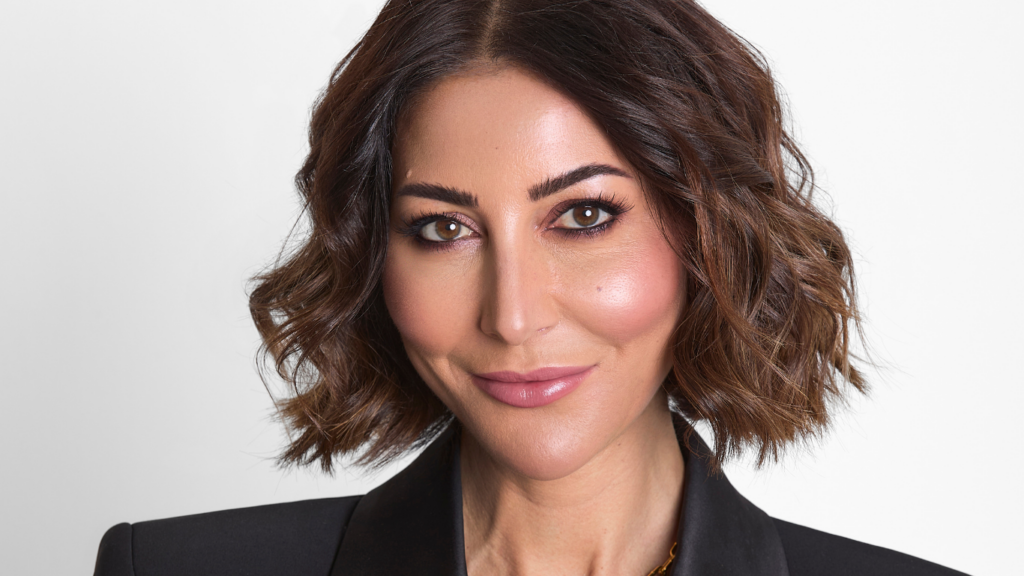
Nadine Merabi’s journey from competitive hockey player to fashion founder wasn’t conventional, but creativity had always been part of her life. Inspired by her stylish Lebanese father, she developed an early appreciation for the confidence that great design and dressing can inspire.
In 2015, she launched her brand with a £250 sewing machine, creating beautifully crafted occasionwear designed to make women feel their best. Her designs quickly caught the attention of Selfridges, leading to a full collection and the rapid growth of the business.
Today, the Manchester-based brand offers occasionwear, bridal, jumpsuits and denim, with a flagship store on London’s South Molton Street and customers around the world. While Merabi no longer makes each piece by hand, she remains closely involved in every collection as the brand’s Creative Director, overseeing both design and production. She shares the story behind her unexpected career path and the insights that have shaped her success.
Sophie Smith, News Editor & Senior Writer.
The Interview: Designer Exchange CEO on keeping the ‘buy, sell and exchange’ strategy simple and opening more stores
Knightsbridge-based ‘buy, sell and exchange’ business Designer Exchange has opened its sixth store today, and its second in Spain, adding a 1,720 sq ft store in Barcelona to its one in Madrid.
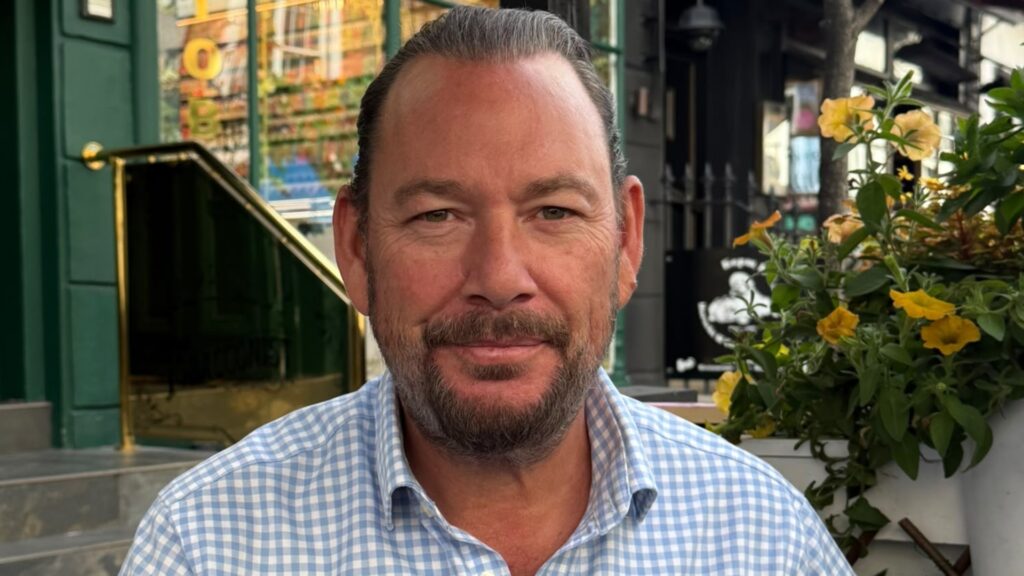
It comes hot on the heels of its fourth UK store, which opened in Newcastle last month, with the company’s CEO, Dominic Durante, very much a believer in the bricks-and-mortar retail model.
Our interview with him makes for an interesting read, as the business, which sells a constantly evolving selection of pre-owned handbags, accessories and ready-to-wear from some of the world’s most sought-after fashion houses, including Hermès, Chanel, Louis Vuitton, Prada, Gucci and Miu Miu, pretty much sticks to the same simple strategy as it did when it was established in 2013.
It was then that Designer Exchange’s first store opened in Knightsbridge, just around the corner from where its flagship store is today.
Unlike traditional consignment platforms, Designer Exchange purchases luxury items directly from customers, offering immediate payment or an enhanced exchange voucher. Every item undergoes a rigorous authentication process before reaching the shop floor, providing confidence for buyers and a simple, transparent experience for sellers.
While Designer Exchange does also have a strong online presence, it’s the physical stores that “remain central to the business”. Durante says that’s what differentiates it.
What is also interesting is that Designer Exchange is part of CeX (Complete Entertainment Exchange), a global leader in second-hand retail and where many a decent mobile phone gets bought and sold.
Durante explains that CeX already had a significant presence in Spain, which gave them access to an “established infrastructure, local market knowledge and operational support”.
That made Madrid a very attractive opportunity and reduced many of the challenges associated with entering a new market. Hence, Barcelona was the next “natural step”, with expansion into further European countries now very much the plan. Another one to watch how it grows.
Tom Bottomley, Contributor.
Luxury consumers see fur and exotic skins as ‘less luxurious’, report finds
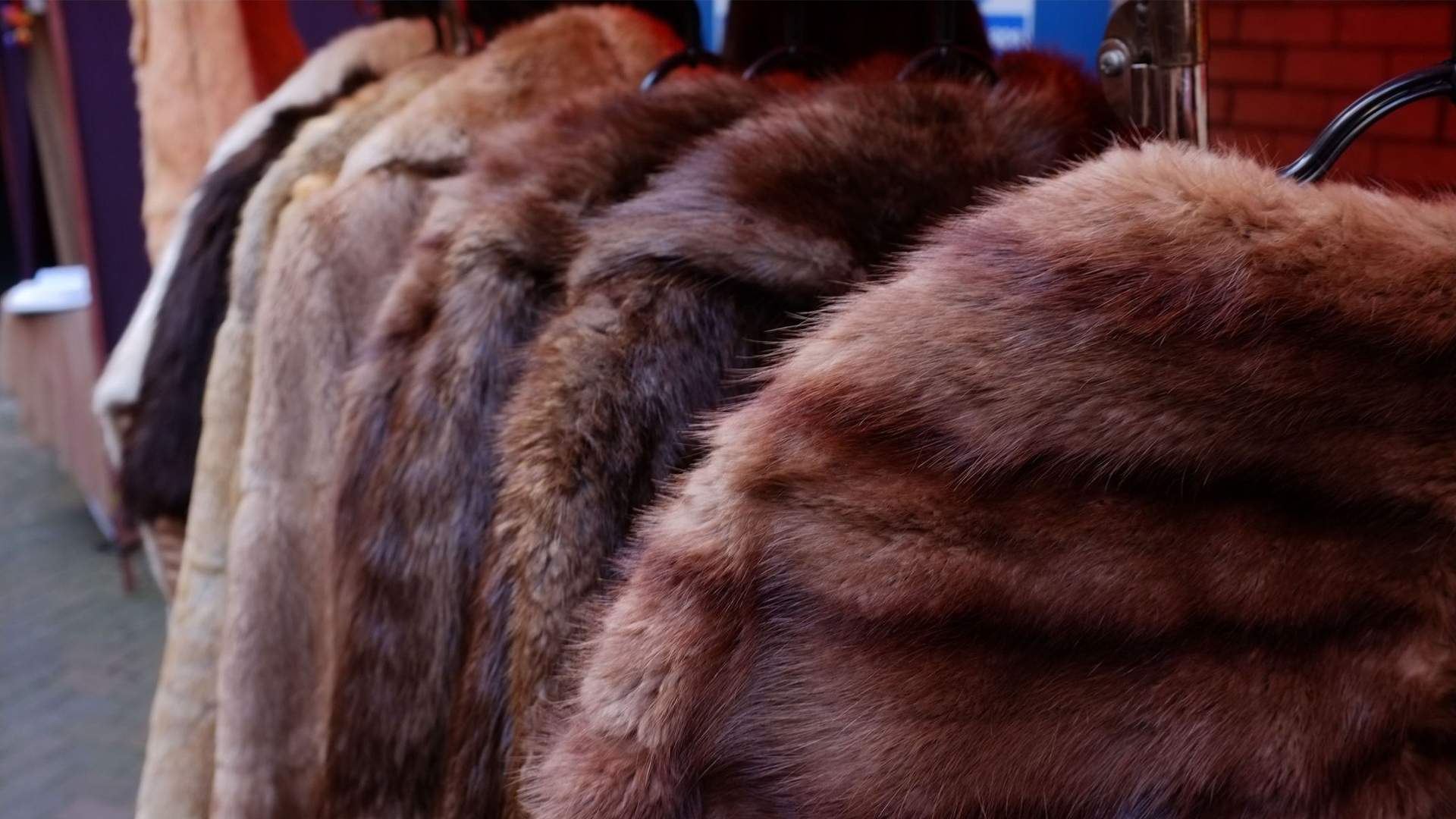
I found this report particularly interesting because it challenges what luxury has traditionally been associated with. For years, fur and exotic skins have been seen as symbols of exclusivity, but the research suggests that many luxury consumers now place greater value on innovation, sustainability and ethical production.
What stood out to me most was that 95% of those surveyed believed the use of fur and wild animal skins made luxury brands appear less prestigious. It highlights how consumer expectations are evolving, particularly as younger generations become more conscious of the environmental and ethical impact of their purchases.
As luxury continues to redefine itself, it will be interesting to see whether more brands invest in next-generation materials that balance craftsmanship with sustainability.
Catherine Rowe-Kosary, Junior Writer.