


Here are some of this week’s news and features highlights handpicked by TheIndustry.fashion team.
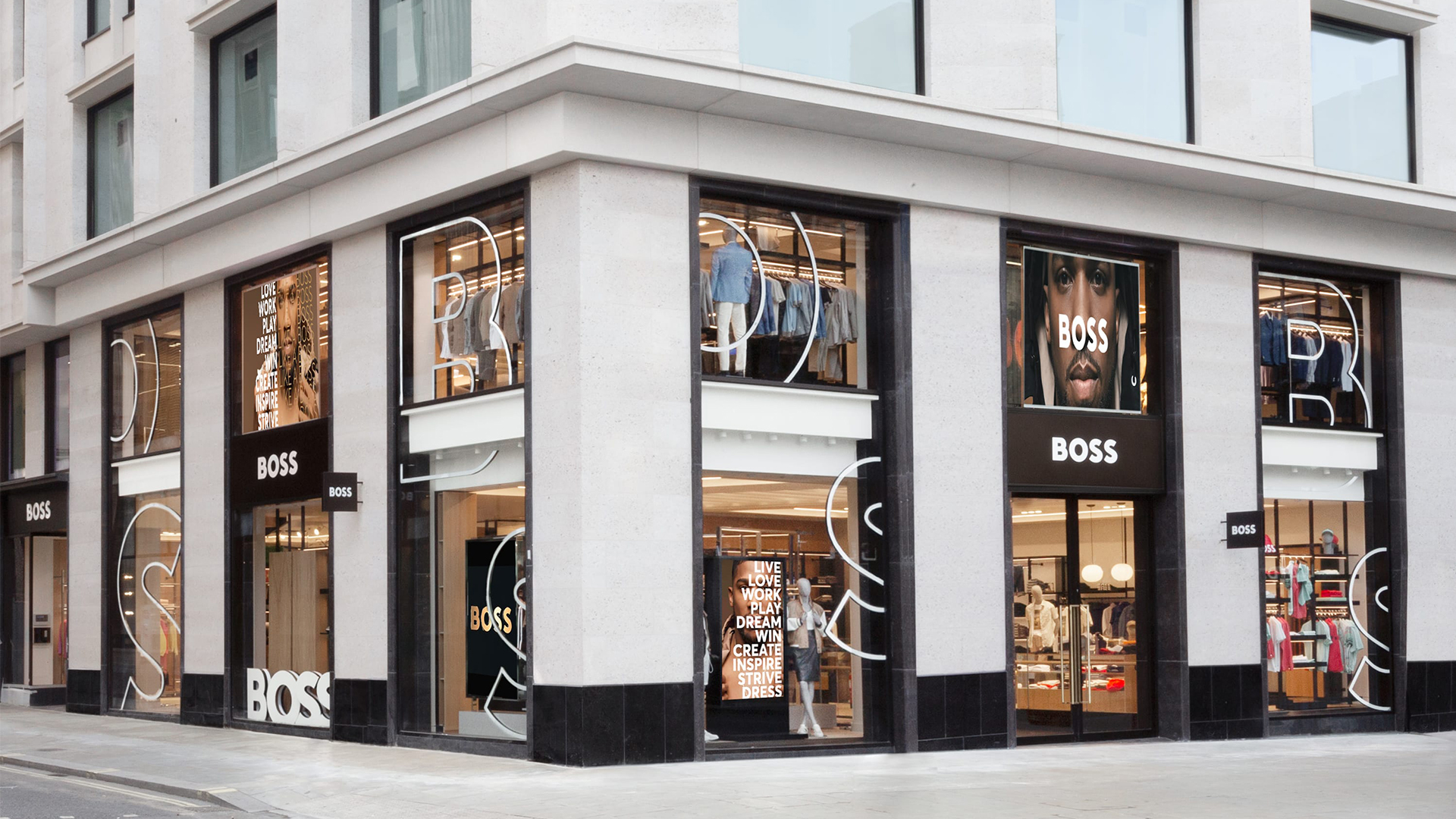
Frasers raises Hugo Boss stake above 30%, takeover offer remains open
Frasers Group is continuing to push forward with its takeover plans for both German luxury brand Hugo Boss and Australia-based Accent Group.
On Tuesday, Frasers Group increased its stake in Hugo Boss to 30.28%, crossing Germany’s mandatory bid threshold, meaning that it is now obligated to make a takeover offer. Frasers Group had previously doubled down on its €38-per-share offer and said that it would not increase the price. Hugo Boss’ board responded with a recommendation for shareholders to reject Frasers takeover offer, which they called “inadequate”. Just because the formal process for a takeover offer has now been triggered, it does not mean that the board will change its mind and accept the offer.
Interestingly, Frasers has been in a similar position before. In 2024, the group launched a takeover bid for British luxury brand Mulberry, in which it held around a 37% stake. Yet Mulberry’s biggest shareholder, Challice, which owned a 56.4% stake, opposed Frasers’ bid and the offer did not go through. So, while Frasers remains a major stakeholder within Mulberry, it does not control the business.
Just two days later, Frasers announced an extension for its £166 million takeover offer for Australian footwear and lifestyle retailer Accent Group, without, however, changing any other of its terms, including its initial A$0.65-a-share bid.
So, Frasers again doubled down on its initial offer price, even though Accent’s Independent Board Committee had previously recommended that shareholders reject the bid, which it described as “opportunistic and materially inadequate”.
The offer had initially been due to close on 30 July, but Accent shareholders now have until the close of ASX (Australian Securities Exchange) trading on 30 September to sell into the offer.
I, for one, am very interested to see how both of these offers will play out.
Camilla Rydzek, Senior News & Features Writer.

Hospitality rates cut puts wider retail reform in focus
Well, it’s a start and it’s very early days. Prime Minister Andy Burnham, who took office on Monday, has shown he means business when he pledged business rates reform. For too long, retailers have borne an unfair burden when it comes to this tax and it needs to be addressed.
The first beneficiaries of Burnham’s reforms will be pubs and social clubs. Night clubs are not included, and nor are, more mysteriously, restaurants. As for bars, well, that apparently is a grey area and it may come down to local authorities to decide who should ultimately benefit from the 20% cut.
Let’s start by being positive because apparently more reforms are in the pipeline and it is to be hoped retail will be included in some form (particularly independent retailers) and anything that helps to keep life on our high streets has to be a good thing.
Burnham has clearly chosen to go early with the pubs news since it fits with his personal branding, which centres on supporting “working class values” (though it sits awkwardly to suggest pubs are the preserve of the working class and that the working class will be brought onside thanks to tax relief for pubs) and also because the pub trade has a very high-profile lobbying campaign to push its interests to the top of the Government agenda. Many high profile people got behind the pub industry, including, curiously, former Chancellor Rachel Reeves (who seemed to be able to gloss over the fact that her employer’s NI hikes were a major contributing factor to the sector’s distress).
Still, good for the pub trade, let’s hope the retail industry can keep the pressure on and deliver a similar result.
Lauretta Roberts, Co-founder, CEO and Editor-in-Chief.
Show report: The word from the stands at Scoop
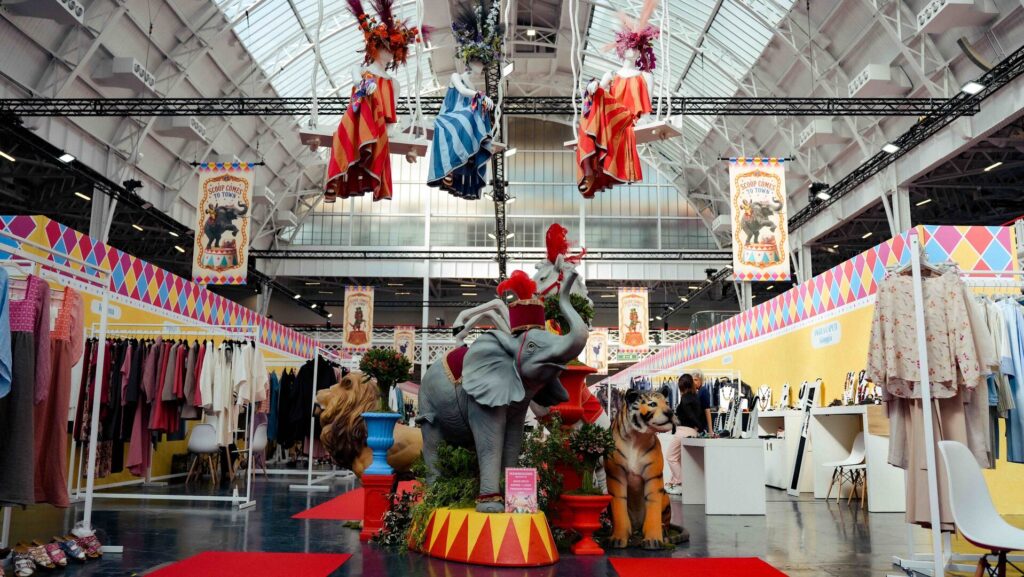
I have to say there always seems to be a feel-good factor among exhibitors at Scoop, and this week’s circus-themed edition was no different.
It also always seems to offer up a lot of newness, testament to the research and curation skills of Scoop’s founder and Managing Director, Karen Radley, who this time around had partnered with the Italian Trade Agency (ITA) to bring an exclusive collective of 32 contemporary Italian designers to the show, many of which were making their debut.
What’s also great is the people you meet and the stories behind the brands. Some are really fascinating, such as Eva Panagiotopoulou, founder and Creative Director of Come What May from Athens in Greece. Having been in the business for almost 30 years in various roles, the past 10 of which as a designer for other brands, this was the first outing for her very own brand – conceived when she fell in love with some very unique hand-block printed fabrics that she came across.
Then there’s the story of Labdip, another first time showing at Scoop, with Director General Léa Wu explaining how her father had been a denim manufacturer, with his own factory, in Shanghai, China, specialising in washes and fits. Now retired, he passed on his knowledge and skill set to his daughter and son, and it was great to talk denim at a show such as Scoop, perhaps not usually associated with it.
Another interesting one, and first-time exhibitor, was Valentina Urso, Creative Director of Opalina – one of the 32 Italian brands falling under the ITA partnership umbrella. Urso had previously worked for over 10 years behind the scenes in production for other brands. She then discovered an old factory originally established in 1954 in Puglia.
She was fascinated by the women that worked in the factory, and thrilled to find the old ways of making still intact, so three year ago she set about launching her own brand specialising in modern interpretations of women’s shirts, with hand crafted details such as ruffle fronts, embroidery, pleating on the shoulder and puff sleeves. Another great find and confirmation that any womenswear buyer worth their salt should always aim to attend Scoop. It really is quite inspiring.
Tom Bottomley, Contributing Editor.
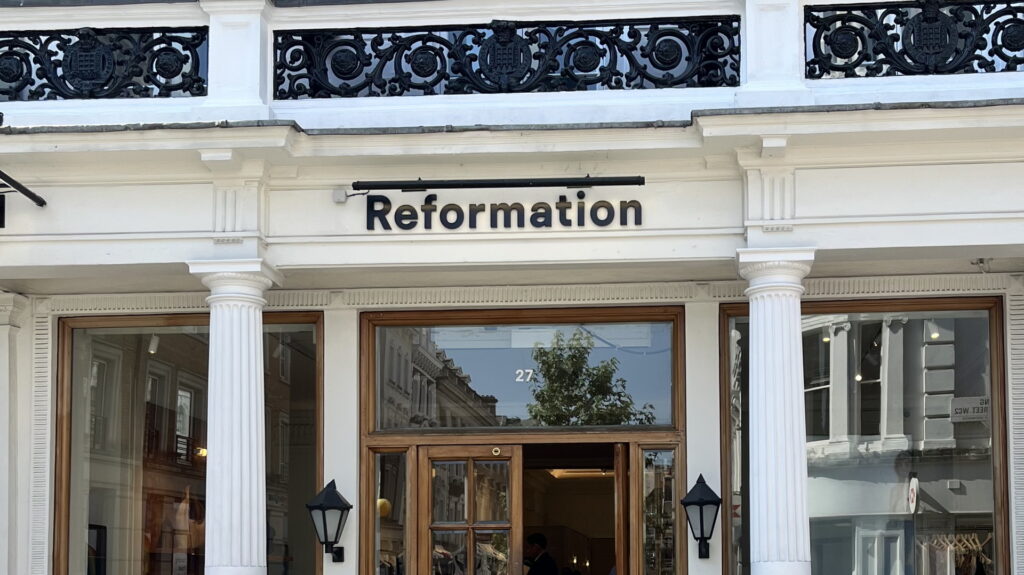
Secret Shopper: Reformation brings a digital-first approach to the high street
I really enjoyed writing a ‘Secret Shopper’ as it was my first feature for TheIndustry.fashion. It gave me the opportunity to experience a store not just as a shopper, but from a retail perspective, paying attention to how every part of the customer journey is designed to shape the shopping experience and influence purchasing decisions.
What stood out to me most was Reformation’s touchscreen fitting rooms. Being able to request different sizes and styles without leaving the changing room was genuinely useful, but I could also see how the technology created new challenges and contributed to longer waiting times.
As more retailers look to incorporate digital convenience and increasingly AI into physical shopping, it will be interesting to see whether concepts like this become more common on the high street and, ultimately, which ones prove to be worthwhile investments. Read the full feature here.
Catherine Rowe-Kosary, Junior News Writer.