




Last month we sat down with founders from across the industry to discuss how their businesses are rethinking growth without losing what made them distinctive, as well as responsible production and new approaches to retail, sourcing and community.
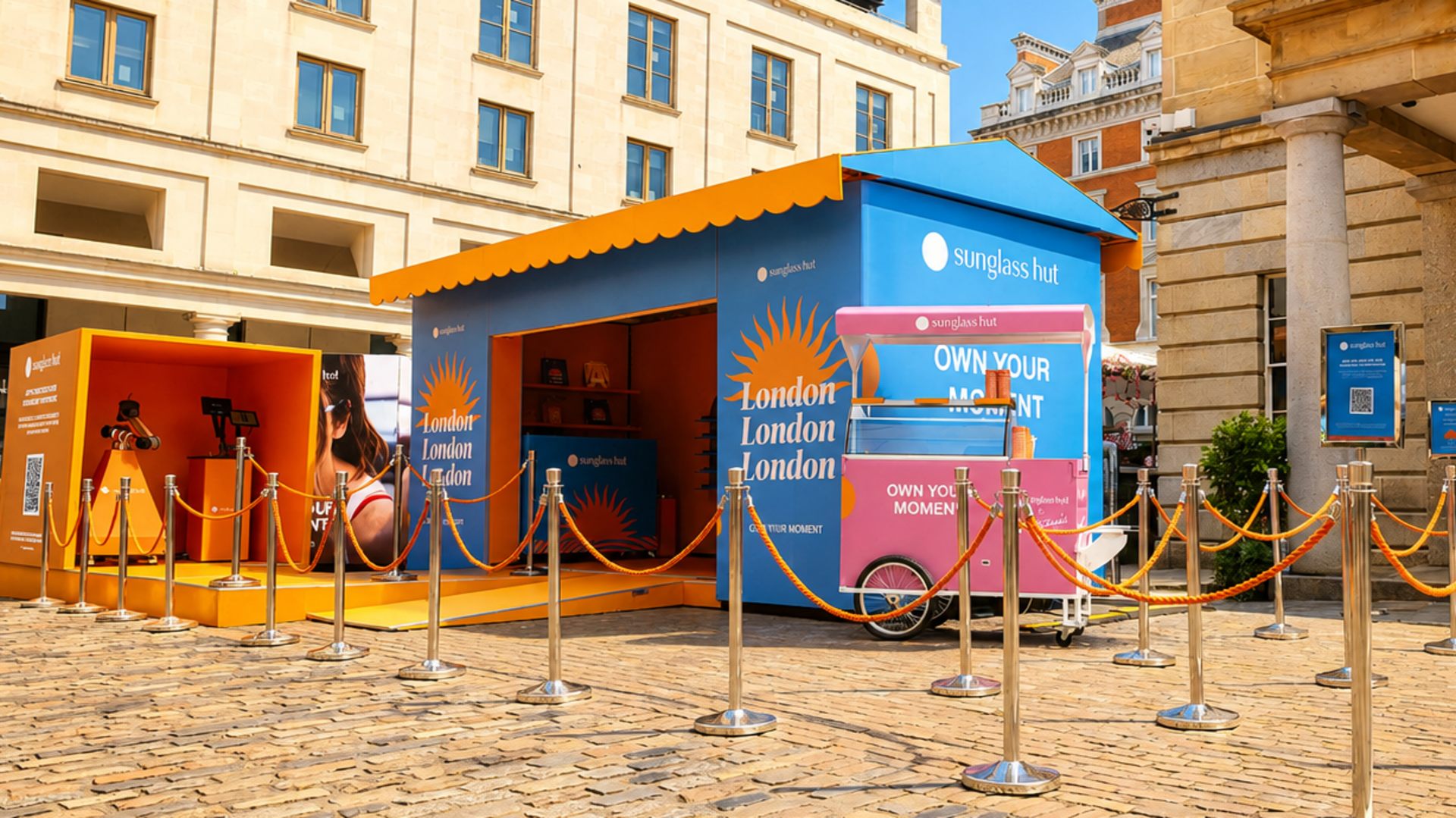
Backlash’s Katie Peake on why experiential retail matters to fashion now
“A pop-up is really exciting because you can make it whatever shape, structure or materials you want – the rulebook can almost go out of the window, as long as you’re making sure it’s still got the look and feel of your brand.” – Katie Peake, co-founder of Backlash
Last month we sat down with Katie Peake, co-founder of brand experience agency Backlash, who explained just how impactful physical activations can be in creating emotional connections with customers, especially as the world goes increasingly digital-first. Peake has spent more than 15 years in experiential marketing and co-founded Backlash in 2017, so she has not only been on the front lines of the rise in popularity of pop-up retail, but has also won awards for innovative work – including Backlash’s Marc Jacobs installation, “The Big Silver Box”.
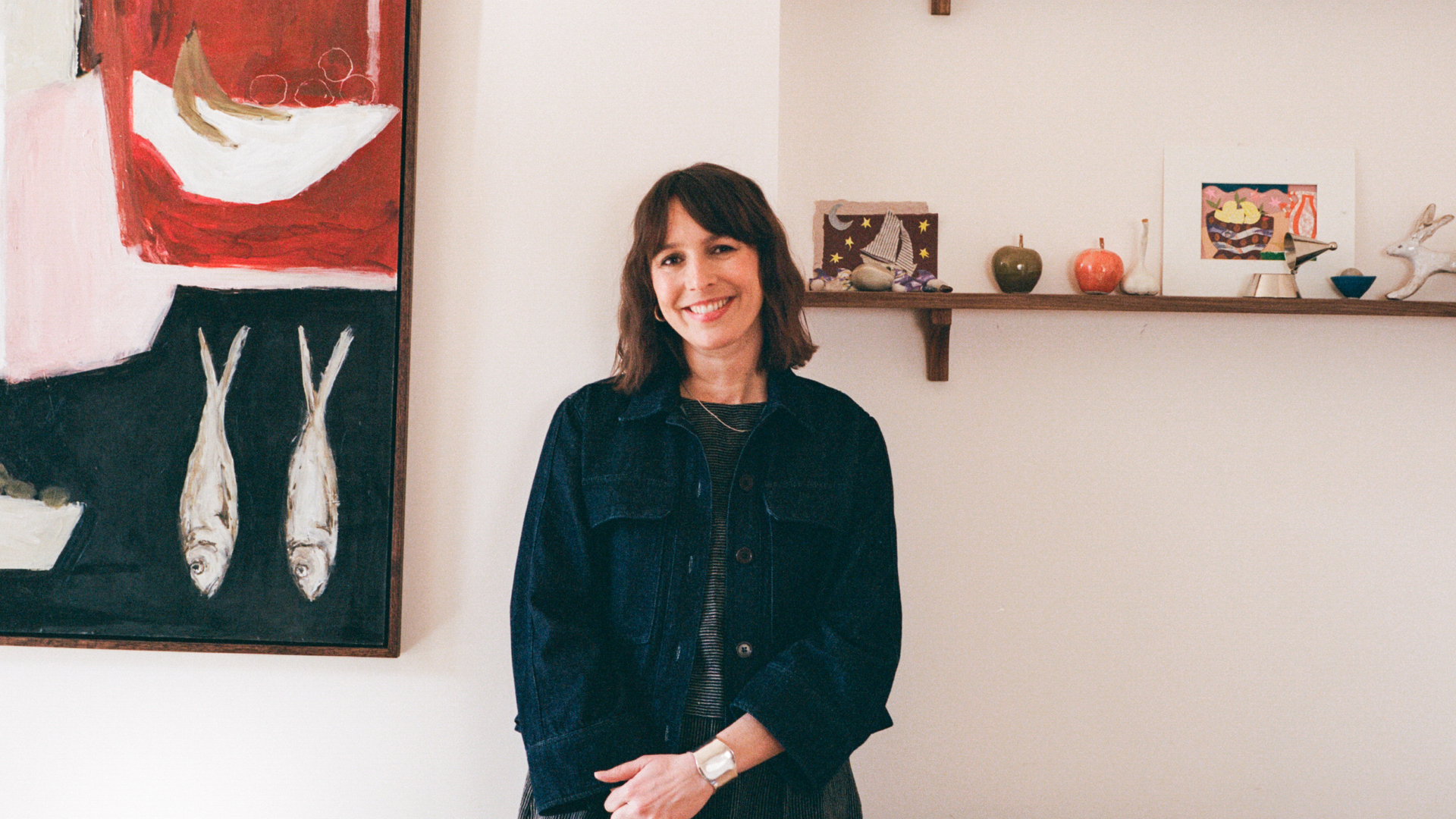
The Interview: Beyond Nine founder Naomi Raybould on appointing her first CEO and preparing for the next phase of growth
“The analogy I’ve used is that I’ve built a propeller plane. I’ve spent years fixing the wings and propeller, but now we need to build a jet. It needs to fly more smoothly, be more efficient and have the processes in place to support the next stage of growth.” – Naomi Raybould, founder of Beyond Nine
Naomi Raybould is also exploring physical retail, with plans for pop-ups and experiential spaces as Beyond Nine enters its next chapter. The self-funded womenswear brand, launched in 2017 with two jumpsuits designed for pregnancy and beyond, now employs almost 30 people and has passed 100,000 orders. Raybould discusses appointing former AllSaints Global Ecommerce Director Liam Price as the company’s first CEO, why she will keep leading product and brand, and the opportunity in the US, where 17% of sales already originate despite the brand having no international operations.
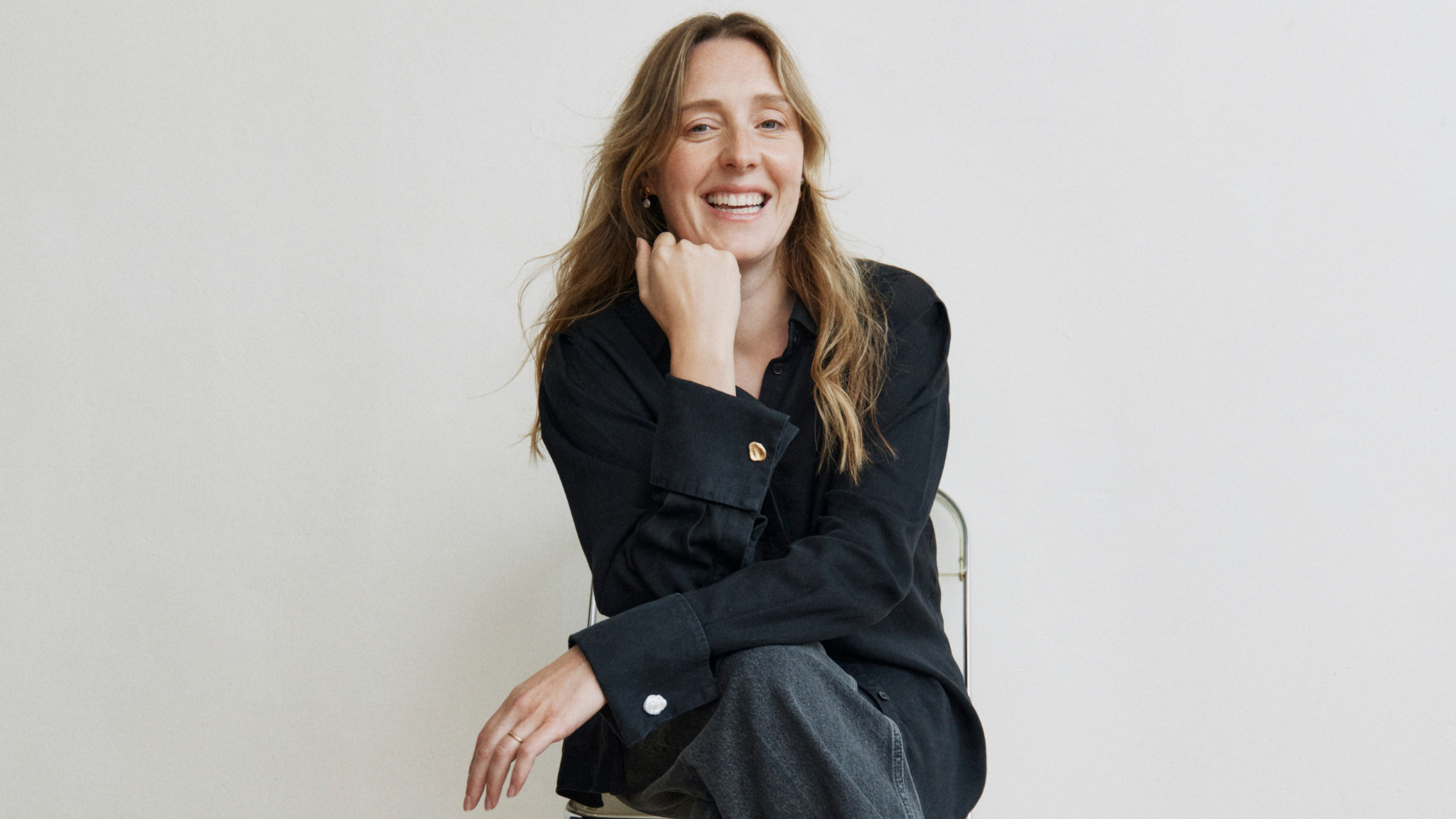
How I started in fashion: AKYN founder and Creative Director Amy Powney
“With AKYN it has been the freedom to build something from the ground up with transparency and ethics at its heart from day one, rather than retrofitting sustainability onto an existing system. There’s something really energising about designing the whole model — not just the clothes” – Amy Powney, founder of AKYN
Building a business around ethical and sustainable principles from day one is the driving force behind AKYN, the purpose-led label Amy Powney founded in 2025 after 20 years at Mother of Pearl. Powney traces her values back to an off-grid childhood in rural Lancashire, and describes working her way up from sweeping the studio floor to Creative Director, winning the Vogue Fashion Fund and creating the fully sustainable collection documented in Fashion Reimagined. Her ambition now is for AKYN to become a regenerative business, and a blueprint other brands can follow.
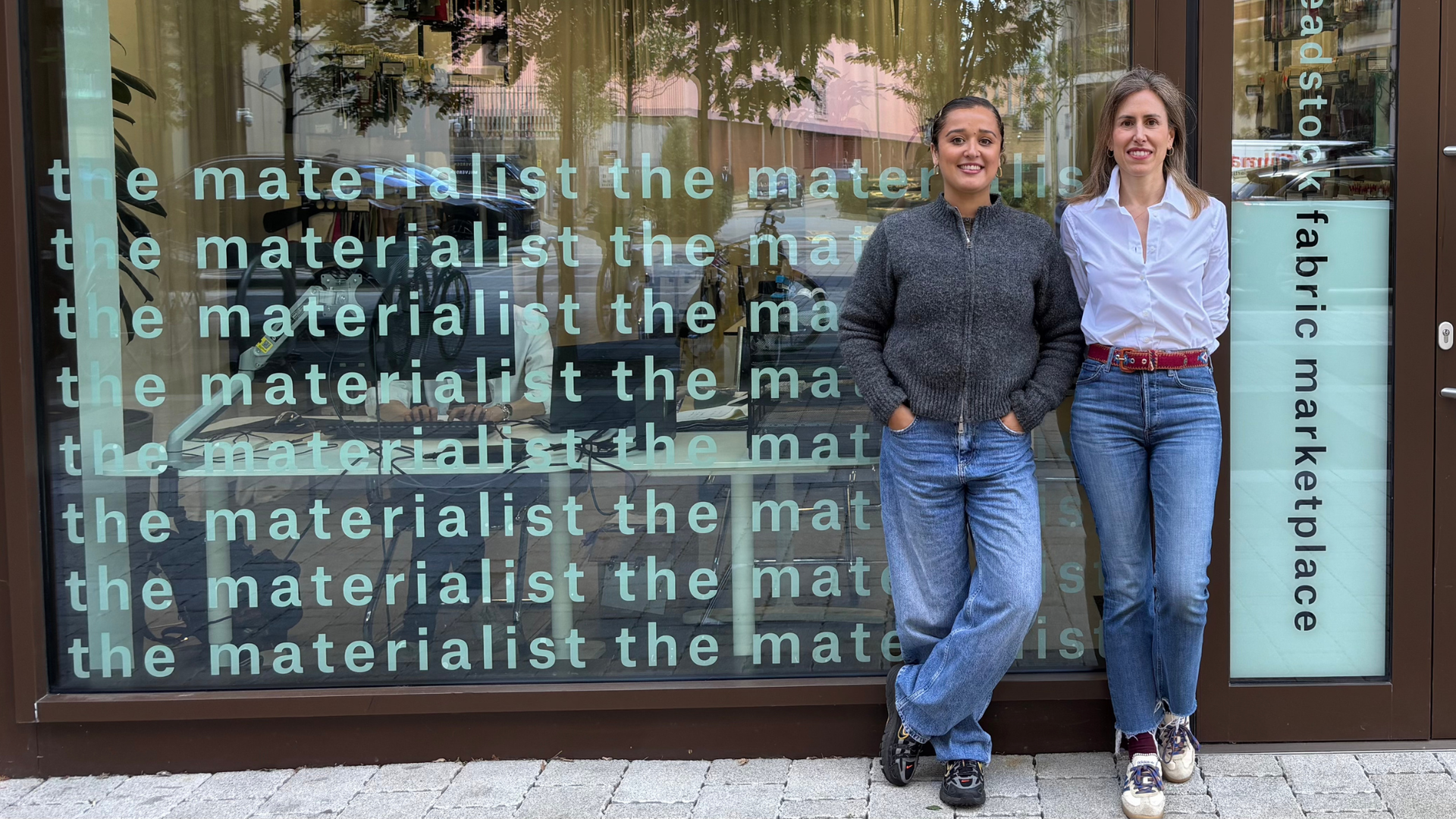
The Interview: The Materialist’s co-founder Liv Khan on why deadstock fabric is a sourcing opportunity, not a compromise
“The biggest shift is moving deadstock from an afterthought to a starting point. For too long it’s been treated as a compromise – something you turn to when a preferred fabric isn’t available, or when a brand needs a sustainability marketing story. That thinking has to change.” – Liv Khan, co-founder The Materialist
Liv Khan made a similar case for building sustainability into a business model from the outset. The Materialist, which she co-founded with Lavinia Santovetti in 2024, has more than 10,000 fabric varieties in its showroom, in quantities from 30 to 3,000 metres. Since at least 25% of all fabric made is left unused, Khan argues surplus material can be a scalable sourcing resource, and explains what it takes for brands to move deadstock from capsule experiment to core sourcing strategy.
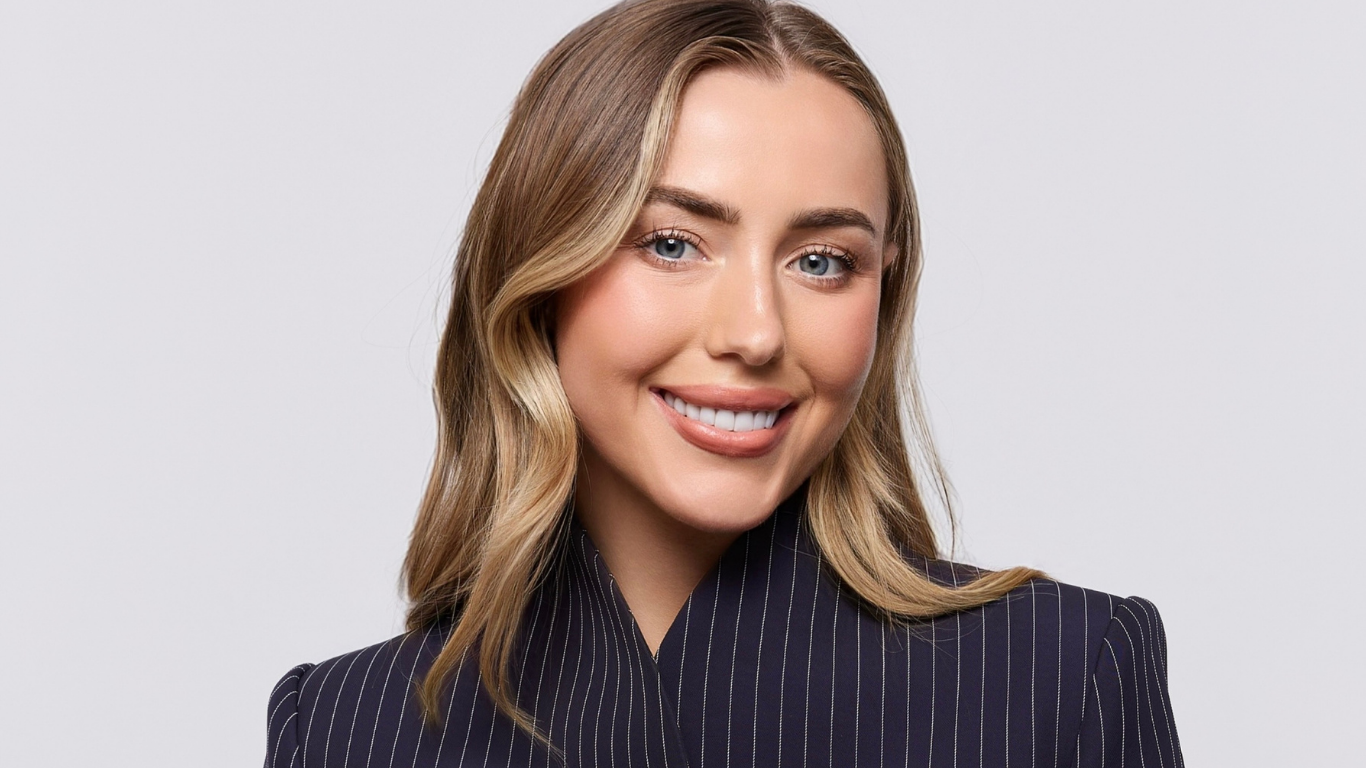
The Interview: Founder Aimee Smale on building Odd Muse, one timeless piece at a time
“We treat our audience like a community, not just customers. That means consistency, transparency, and bringing them into the journey – whether that’s product development, behind-the-scenes or brand decisions. It’s not just about selling; it’s about building a world people want to be part of.” – Aimee Smale, founder of Odd Muse
Community is also central to Odd Muse, the brand Aimee Smale launched from her bedroom at 22 during the pandemic. The self-funded business has since grown into a $30 million brand with one million Instagram followers and stores in Covent Garden, New Bond Street and Soho, New York. Smale explains how core silhouettes running for three to four years still make up 50% of the business, and why she expands category by category rather than all at once.
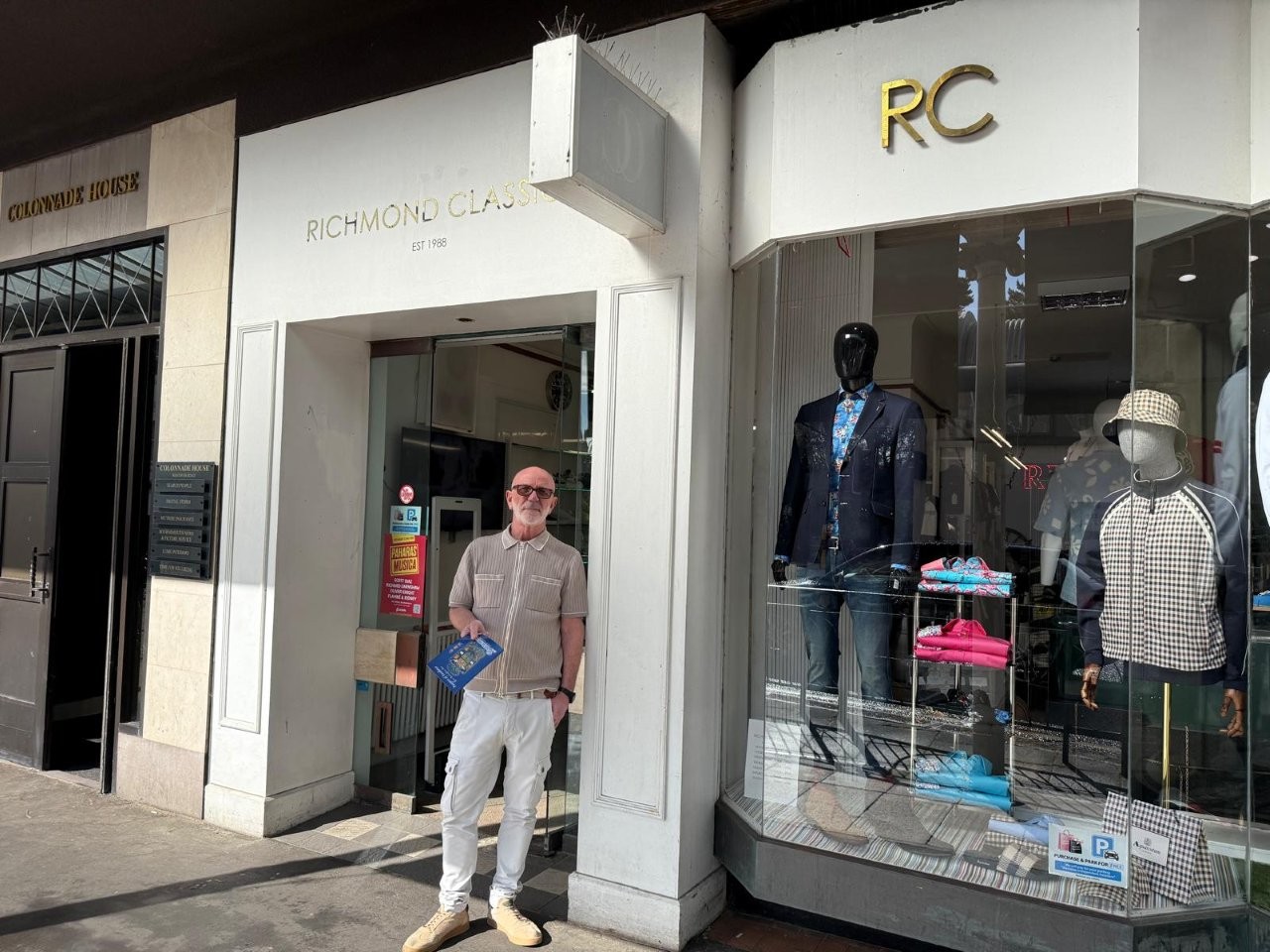
The Eric Musgrave Interview: Soulboy Keith McNichol of Richmond Classics, Bournemouth on why he keeps on keeping on
“Like music, fashion is in my blood and it has been since I was 14 years old. It’s all I’ve ever wanted, it’s all I’ve ever done. I’ve got friends that play golf, do padel, do this, do that. I don’t need to do anything like that because I enjoy what I do. I don’t regard it as a job.” – Keith McNichol, founder of Soulboy
Few people embody long-term commitment to fashion retail quite like Keith McNichol, who is planning the 40th anniversary of Richmond Classics, the Bournemouth multi-brand store he opened in April 1988. In a candid conversation with Eric Musgrave, McNichol reflects on buying trips to Paris with stock carried home in bin liners, spotting On Running before anyone else, and the pressures now facing independents, from vanishing footfall to brands going direct-to-consumer.
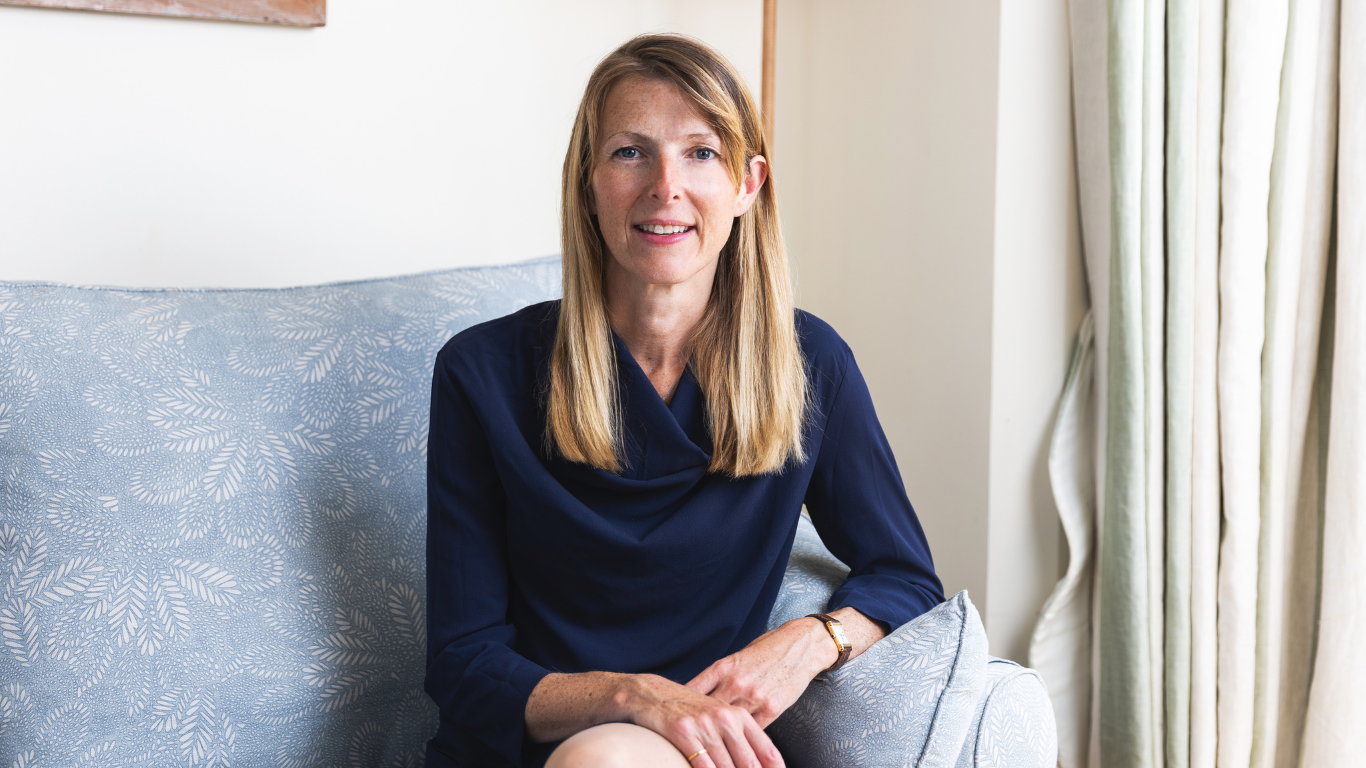
The Interview: How founder Jennifer Brown built Pampeano into a hand-crafted accessories brand with a fiercely loyal following
“Customer loyalty has always been one of the strongest indicators that we are doing something right. Many of our customers first discover Pampeano through one of our signature belts, but they often return to purchase additional belt designs, wallets, travel bags, pet accessories or personalised gifts.” – Jennifer Brown, Pampeano
Persistence and determination are also qualities that have defined the entrepreneurial journey of Jennifer Brown, who founded the hand-crafted leather accessories brand Pampeano in 2008, despite Brown having neither retail experience nor external investment. The business now generates annual revenues of £3.5 million, grew 70% last year and is stocked by 392 retailers across 37 countries, including Harrods, John Lewis and, since May, Nordstrom. Brown discusses early mistakes, the bespoke membership belts made for around 100 organisations, and why every signature belt, handwoven by artisans in Argentina over roughly five hours, comes with a complimentary repair service.